


Introduction
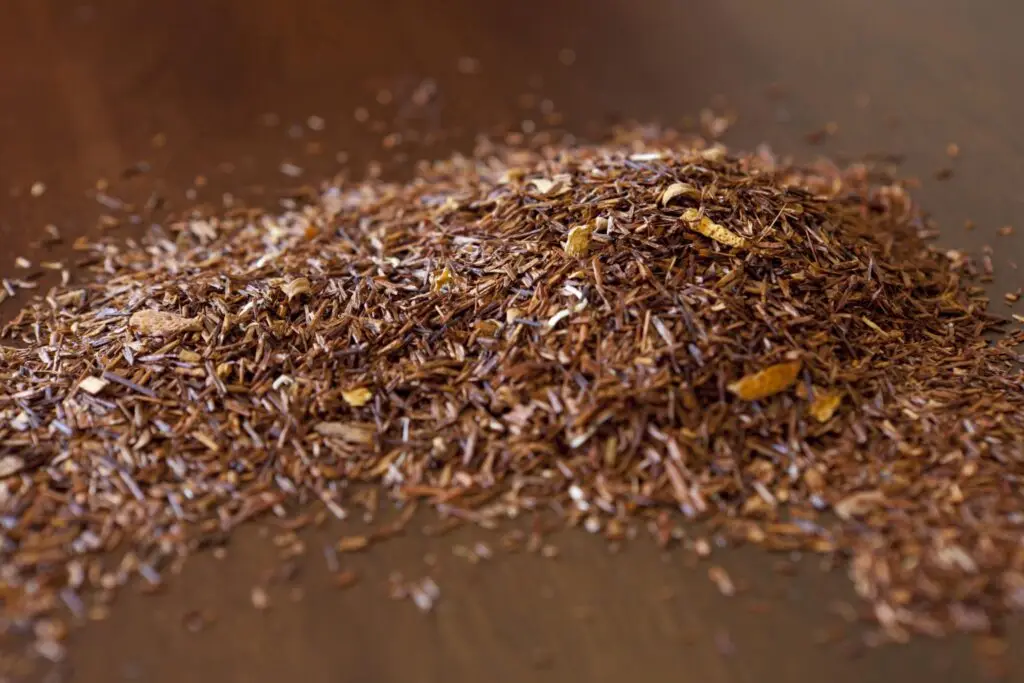
If you’re searching for a naturally caffeine-free tea with a rich flavour, soothing character, and centuries of tradition, rooibos tea may be exactly what you’re looking for.
Known for its beautiful reddish colour, naturally sweet taste, and versatility, rooibos tea has become a favourite among tea lovers worldwide. Whether enjoyed hot on a chilly morning or served over ice on a warm summer afternoon, rooibos offers a unique drinking experience that stands apart from traditional teas.
Many people enjoy this herbal infusion as part of a balanced lifestyle because of its naturally caffeine-free nature and antioxidant content. Others are drawn to its smooth flavour, lack of caffeine, and reputation as a wellness-friendly beverage. Whatever brings you to rooibos, there’s much more to this South African herbal infusion than first meets the eye.
In this guide, we’ll explore what this herbal tea is, where it comes from, how it is produced, what it tastes like, its potential benefits, and how to brew the perfect cup. By the end, you’ll understand why rooibos has earned a devoted following around the world.
What Is Rooibos Tea?
Rooibos tea is a naturally caffeine-free herbal tea made from the Aspalathus linearis plant grown in South Africa. Red bush tea is technically classified as a herbal tea or tisane rather than a true tea. Learn more about herbal teas from Tea Association of Canada. Known for its smooth flavour and naturally sweet character, rooibos is enjoyed worldwide as an alternative to traditional tea and coffee.
Unlike black tea, green tea, white tea, and oolong tea, rooibos does not come from the Camellia sinensis plant. Because of this, rooibos is technically classified as a herbal tea or tisane rather than a true tea.
The word “rooibos” means “red bush” in Afrikaans, referring to the reddish-brown colour the leaves develop during processing.
For generations, South Africans have harvested and enjoyed rooibos for its pleasant flavour and refreshing qualities. Today, rooibos is exported around the globe and is available in loose-leaf form, tea bags, and specialty blends featuring fruits, spices, and flowers.
One of the most appealing characteristics of this red bush tea is that it is naturally caffeine-free, making it suitable for any time of day.
The History of Rooibos Tea
The story of rooibos begins in the rugged mountains of South Africa’s Western Cape Province.
Long before rooibos became popular internationally, Indigenous peoples of the region harvested the wild-growing plant. The leaves were collected, bruised, fermented, and dried in the sun to create a flavourful herbal beverage.
European settlers eventually learned of rooibos and adopted it as an affordable alternative to imported tea. By the early twentieth century, commercial cultivation had begun, helping transform rooibos from a local tradition into a global commodity.
Today, rooibos remains deeply connected to South African culture. The plant grows naturally in a specific geographic region, and its cultivation supports many local communities.
Because red rooibos can only be successfully grown in a limited area of South Africa, it remains a unique agricultural product with strong ties to its place of origin.
Where Does Rooibos Tea Grow?

Authentic rooibos tea comes exclusively from South Africa. Rooibos production is closely tied to South Africa’s unique growing region and protected origin status. Learn more from South African Rooibos Council.
The plant thrives in the Cederberg Mountains and surrounding areas, where the climate and soil conditions create an ideal growing environment. Hot, dry summers and cool, wet winters help produce the distinctive flavour profile that rooibos is known for.
The sandy, nutrient-poor soils of the region may seem harsh, but they are perfectly suited to the rooibos plant. Attempts to cultivate rooibos in other parts of the world have largely failed to replicate the quality and characteristics found in South Africa.
This unique growing region contributes to this South African herbal teas’ identity in much the same way that certain wine grapes are linked to specific vineyards and climates.
How Rooibos Tea Is Made
The production process plays a significant role in developing rooibos’ flavour and colour.
Harvesting
Rooibos is typically harvested during the South African summer. Farmers carefully cut the needle-like leaves and slender stems from mature plants.
Cutting and Bruising
After harvesting, the plant material is chopped into smaller pieces. These pieces are then bruised to release natural enzymes.
Oxidation
The bruised leaves are spread out and exposed to air. During oxidation, the leaves change from green to a rich reddish-brown colour.
This process also helps develop the naturally sweet, mellow flavour associated with traditional red rooibos.
Drying
Once oxidation is complete, the leaves are dried under the sun. The dried material is then sorted, graded, and packaged for sale.
Types of Rooibos Tea
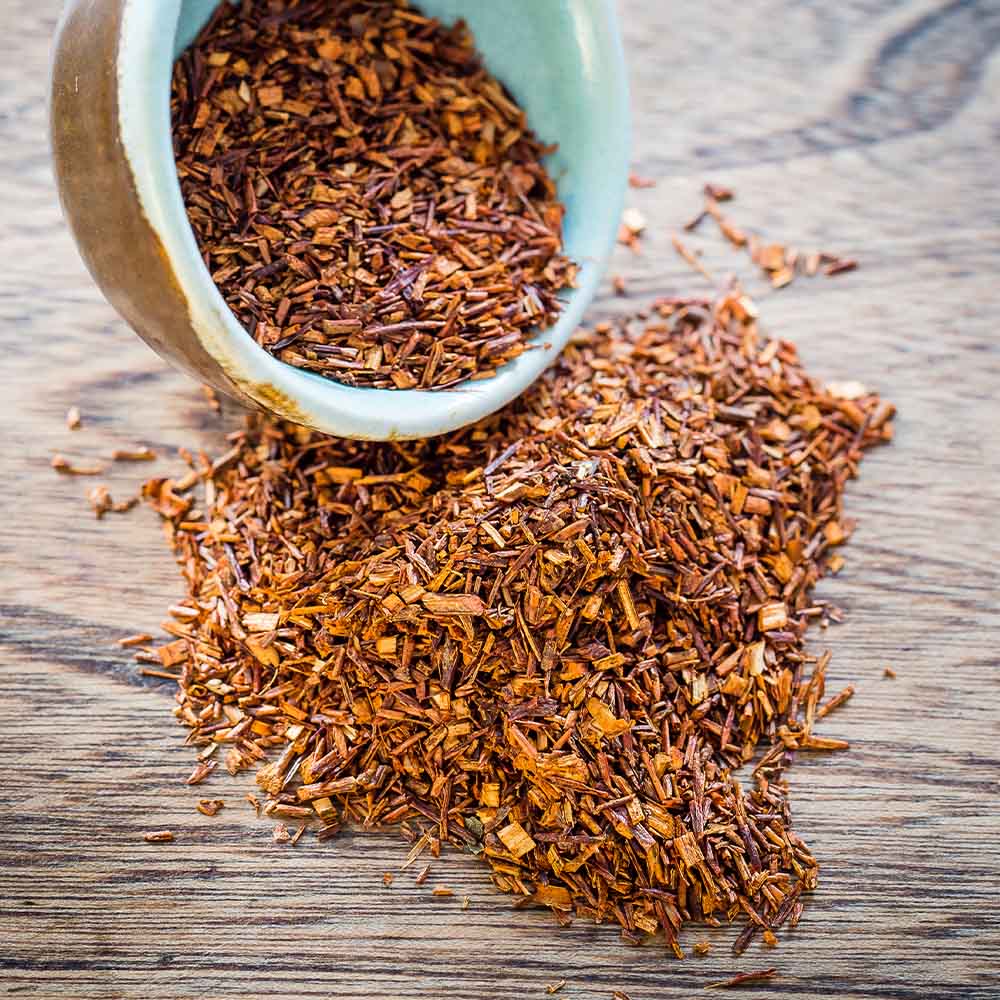
Not all rooibos tea is the same. Understanding the different varieties can help you find the perfect cup.
Red Rooibos
Red rooibos is the traditional form most people know and enjoy.
During production, the leaves undergo oxidation, resulting in their distinctive reddish colour and naturally sweet flavour.
Red rooibos is often described as:
- Smooth
- Mildly earthy
- Slightly nutty
- Naturally sweet
Green Rooibos
Green rooibos skips the oxidation process.
Because the leaves are quickly dried after harvesting, they retain their green colour and develop a lighter, fresher taste.
Green rooibos is often described as:
- Grassy
- Bright
- Delicate
- Slightly herbal
Many tea enthusiasts enjoy green rooibos for its refreshing flavour and subtle complexity.
What Does Rooibos Tea Taste Like?
One of the biggest reasons people fall in love with this herbal tea is its flavour.
Unlike some herbal teas that can be intensely floral or medicinal, rooibos has a naturally approachable character.
Common tasting notes include:
- Sweet honey-like undertones
- Mild nuttiness
- Gentle earthiness
- Smooth finish
- Soft vanilla-like notes
This South African tea contains very little bitterness, making it enjoyable even for people who are new to tea.
Its flavour is often described as comforting and familiar, yet distinct enough to stand apart from traditional black tea.
Because of its natural sweetness, many people find they need little or no sweetener when drinking rooibos.
Why Is Rooibos Tea So Popular?
This herbal infusion has gained popularity for several reasons.
First, it is naturally caffeine-free. Many consumers are looking for beverages they can enjoy throughout the day without affecting sleep.
Second, rooibos offers a rich flavour that satisfies those who enjoy black tea but want a gentler option.
Third, rooibos pairs beautifully with fruits, spices, and botanicals, making it highly versatile for tea blending.
Finally, many people appreciate rooibos as part of a balanced wellness lifestyle due to its antioxidant content and naturally soothing qualities.
Rooibos Tea Benefits
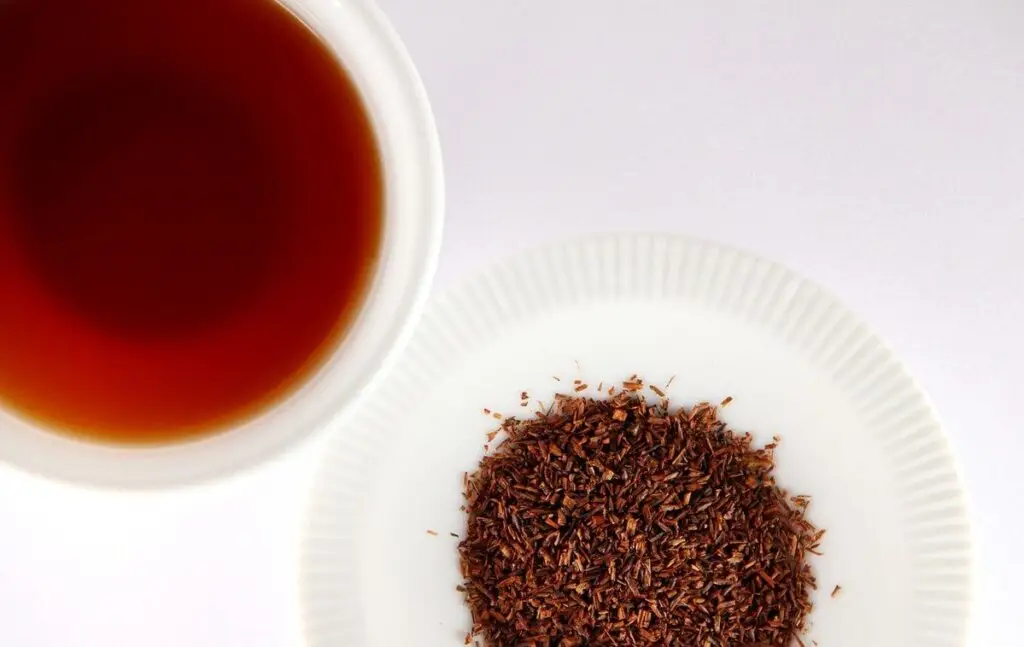
1. Naturally Caffeine-Free
One of the most celebrated benefits is that it contains no caffeine.
Unlike coffee, black tea, and many energy drinks, rooibos can be enjoyed in the morning, afternoon, or evening without contributing to caffeine intake.
For those seeking a relaxing nighttime beverage, rooibos is often a popular choice.
2. Contains Antioxidants
Rooibos contains naturally occurring antioxidants, including compounds such as aspalathin and quercetin.
Antioxidants help protect cells from oxidative stress and are commonly included as part of a healthy diet.
To learn more about antioxidants in nutrition, see information from Harvard T.H. Chan School of Public Health.
3. Lower in Tannins
Compared with black tea, rooibos contains lower levels of tannins.
Tannins contribute to bitterness and astringency in tea. Because it contains fewer tannins, many tea drinkers find it smoother and easier to enjoy.
4. Hydration Friendly
Since red bush contains no caffeine, it can be incorporated into a healthy hydration routine.
Whether served hot or iced, rooibos provides a flavourful alternative to sugary beverages.
5. Pleasantly Versatile
This caffeine-free beverage can be enjoyed plain or blended with a wide variety of ingredients.
Popular pairings include:
- Orange peel
- Vanilla
- Cinnamon
- Rose petals
- Mint
- Ginger
- Honey
This versatility makes rooibos one of the most adaptable herbal teas available.
Rooibos Tea vs Black Tea
Many tea drinkers wonder how this herbal tea compares to black tea.
| Feature | Rooibos Tea | Black Tea |
|---|---|---|
| Plant Source | Aspalathus linearis | Camellia sinensis |
| Caffeine | None | Yes |
| Taste | Sweet and smooth | Bold and robust |
| Tannins | Low | Higher |
| Bitterness | Minimal | Can develop if over-steeped |
| Best Time | Any time | Often morning or afternoon |
While black tea offers strength and briskness, rooibos provides a smoother and naturally caffeine-free experience.
One of this red bush teas’ greatest advantages is how forgiving it is to brew.
One of the many reasons tea lovers enjoy loose-leaf rooibos tea is that it is incredibly forgiving to brew. Unlike some green or black teas that can become bitter if steeped too long, rooibos remains smooth and flavourful even with longer steeping times.
Whether you’re new to red bush herbal tea or looking to improve your brewing technique, these simple steps will help you create a rich, satisfying cup every time.
What You’ll Need
- 1 teaspoon loose-leaf rooibos tea per 8 oz (240 ml) cup
- Fresh filtered water
- Tea infuser, teapot, or tea strainer
- Your favourite mug
Step 1: Start with Fresh Water
Fresh, cold water produces the best-tasting tea. Avoid reboiling water that has been sitting in the kettle, as it can affect flavour.
Step 2: Heat the Water
This herbal drink tea performs best with fully boiling water.
Recommended water temperature:
- 100°C (212°F)
Unlike delicate green teas, rooibos can handle higher temperatures without becoming bitter.
Step 3: Measure the Tea
For a standard cup:
- 1 teaspoon loose-leaf rooibos tea
- 8 oz (240 ml) water
For a stronger brew, increase the amount of tea rather than extending steeping time excessively.
Step 4: Steep Properly
Allow the tea to steep for:
- Minimum: 5 minutes
- Ideal: 7–10 minutes
Many loose-leaf rooibos enthusiasts prefer a longer steep because it develops deeper flavour while maintaining its naturally smooth character.
Step 5: Enjoy Your Tea
Once steeped, strain the leaves and enjoy.
It is delicious on its own, but you can also add:
- Honey
- Lemon
- Orange slices
- Cinnamon
- Vanilla
- Milk or plant-based milk
Can You Over-Steep Rooibos Tea?
Unlike many traditional teas, this South African tea is remarkably forgiving.
Because it contains fewer tannins than black tea, it rarely develops the bitterness associated with over-steeping. Many tea drinkers intentionally steep for 10 minutes or longer to create a richer infusion.
How to Make Iced Rooibos Tea

Red bush tea also makes a refreshing iced tea.
- Brew double strength using 2 teaspoons of tea per cup.
- Steep for 7–10 minutes.
- Allow to cool.
- Pour over ice.
- Garnish with citrus slices or fresh mint.
The naturally sweet flavour of rooibos makes it an excellent alternative to sugary beverages.
How to Cold Brew Rooibos Tea
For an exceptionally smooth infusion:
- Add 2 tablespoons loose rooibos tea to 1 litre of cold water.
- Refrigerate for 8–12 hours.
- Strain before serving.
Cold-brewed rooibos is naturally refreshing and highlights the tea’s sweet, mellow flavour.
Why Choose Organic Rooibos Tea?
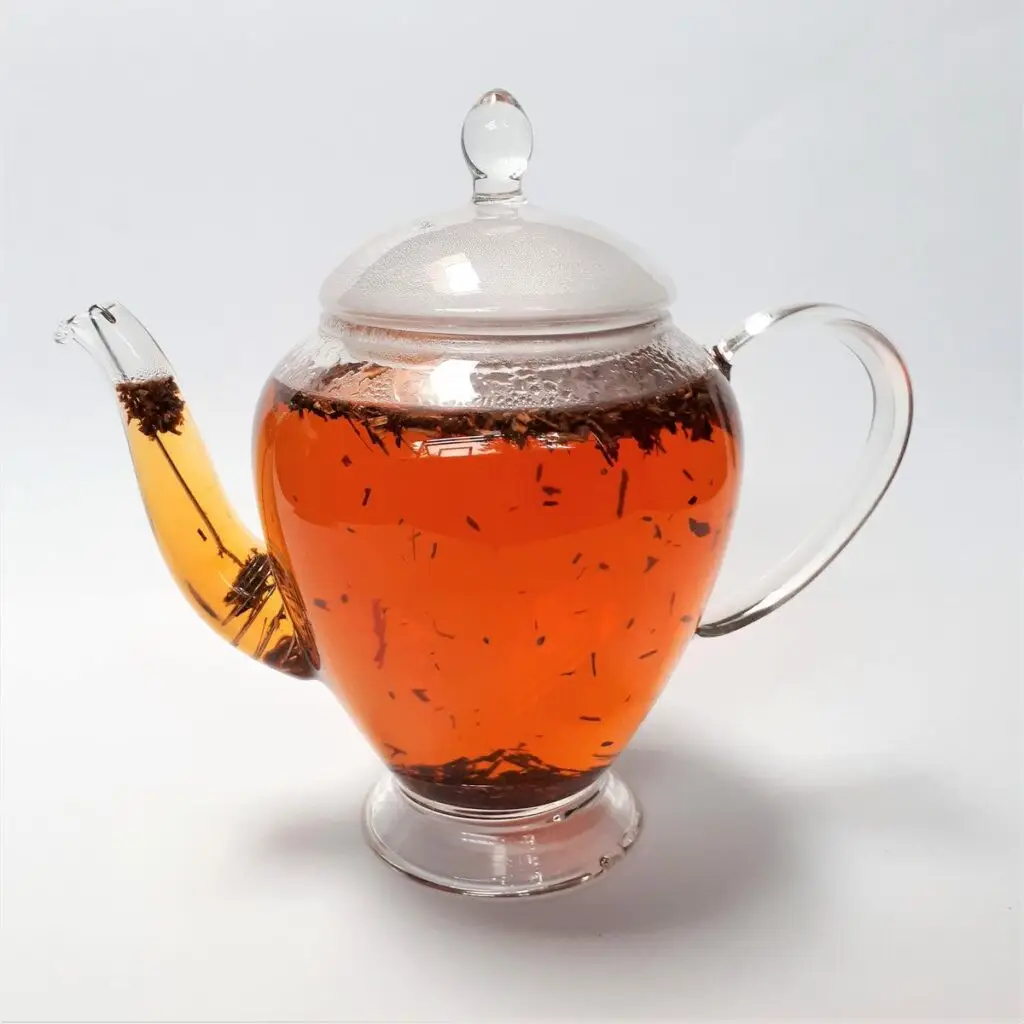
Many people enjoy it as part of a balanced lifestyle because of its naturally caffeine-free nature and antioxidant content.
Benefits of choosing organic red bush tea may include:
- Cleaner ingredient sourcing
- Environmental stewardship
- Exceptional flavour quality
- Greater transparency in production practices
For tea lovers who value both quality and sustainability, organic rooibos can be an excellent choice.
Is Rooibos Tea Caffeine-Free?
One of the most common questions people ask is whether this herbal infusion tea contains caffeine.
The answer is simple: rooibos tea is naturally caffeine-free.
Unlike black tea green tea, white tea, and oolong tea naturally contain caffeine—red bush rooibos is made from the Aspalathus linearis plant grown in South Africa.
Because this South African herbal tea contains no caffeine, many tea drinkers enjoy it as an alternative to coffee or traditional tea when they want a warm, flavourful beverage without stimulant effects.
Its naturally smooth and slightly sweet flavour makes it easy to enjoy throughout the day, including in the evening.
For people looking to reduce caffeine intake while still maintaining a comforting tea ritual, rooibos can be an excellent option. Whether served hot, iced, plain, or blended with fruits and spices, rooibos offers flexibility and flavour without caffeine.
If you’re searching for a naturally caffeine-free tea to enjoy any time of day, rooibos may become a new favourite.
Is Rooibos Tea Good Before Bed?
Because red bush tea is naturally caffeine-free, many people enjoy it as part of their evening routine.
Unlike caffeinated beverages that may interfere with sleep for some individuals, red rooibos offers a warm and comforting alternative that can be enjoyed later in the day.
Its smooth flavour and naturally sweet character makes this herbal infusion especially popular as an evening tea. Some tea drinkers enjoy creating a calming ritual by preparing a cup after dinner, reading with a warm mug in hand, or winding down before bedtime.
Rooibos can also be enjoyed in different ways depending on the season—served hot for comfort during cooler months or prepared as a soothing iced tea.
While individual preferences vary, rooibos is often chosen by people looking for a relaxing tea experience without caffeine.
If you’re exploring caffeine-free teas to add to your evening routine, this herbal drink is a delicious and versatile choice.
Frequently Asked Questions About Rooibos Tea
Is Rooibos Tea Really Tea?
Technically, rooibos is an herbal infusion rather than a true tea because it does not come from the Camellia sinensis plant.
Can You Drink Rooibos Every Day?
Many people enjoy this South African drink daily as part of a balanced lifestyle.
Does Rooibos Tea Contain Caffeine?
No. Rooibos tea is naturally caffeine-free.
Can You Add Milk to Rooibos Tea?
Yes. Red bush pairs beautifully with milk and milk alternatives.
What Does Rooibos Mean?
Rooibos means “red bush” in Afrikaans.
Is Rooibos Good Before Bed?
Because it contains no caffeine, many people enjoy this as an evening beverage.
Can Rooibos Tea Be Re-Steeped?
Short answer:
- Yes
- Second infusion may be milder
- Add 1–2 extra minutes
Final Thoughts

This this herbal drink offers a unique combination of flavour, tradition, and versatility that has earned it a place among the world’s most beloved herbal infusions.
From its origins in the mountains of South Africa to tea cups around the globe, rooibos continues to attract tea lovers with its naturally sweet taste, rich colour, and caffeine-free character.
Whether you’re looking for an alternative to black tea, a relaxing evening beverage, or simply a delicious herbal infusion, rooibos tea is well worth exploring.
A quality organic loose-leaf rooibos tea can deliver a smooth, satisfying cup that is enjoyable any time of day and a wonderful addition to any tea collection.
About The Author

My name is Nancy Prokosh, founder of Tealicious Tea About Teaque. Since 2001, I have dedicated my career to studying and sharing the world of tea through tea education, tasting, consulting, and specialty tea experiences.
I am a certified Tea Master, with expertise in tea tasting and consulting, and I offer specialized tea masterclasses. As a member of the Tea Association of Canada, I am passionate about sharing knowledge on tea, including its history, traditions, and cultural significance.
Through my tea business, I enjoy helping others discover organic loose-leaf tea and learn more about tea traditions, brewing methods, and tea wellness.