


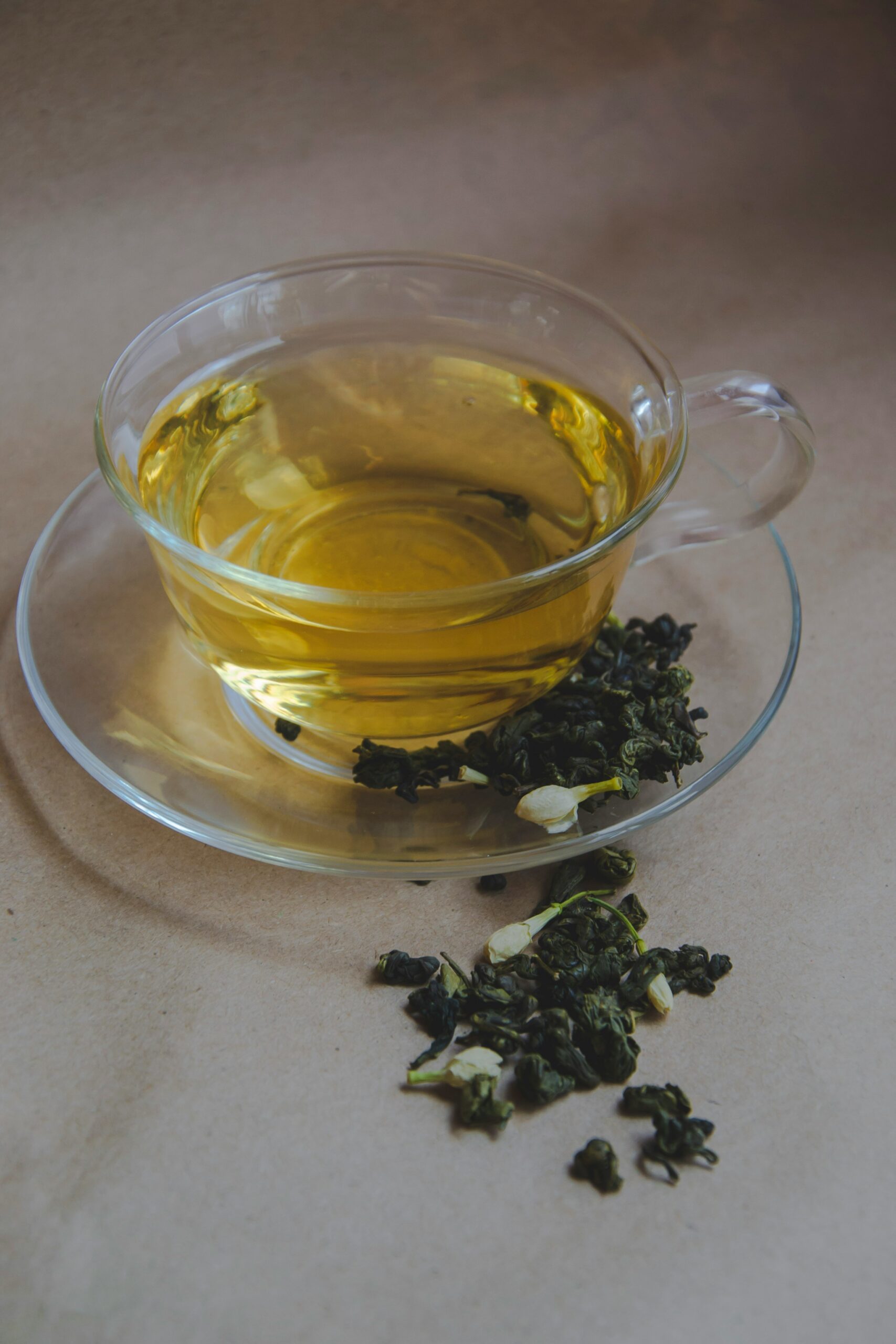
If you’re looking for a simple daily habit that can support your heart, brain, weight, and skin, a cup of organic green tea is a powerful place to start. This ancient drink is loaded with antioxidants and unique plant compounds that modern research is only beginning to fully understand.
What Makes Organic Green Tea Different?
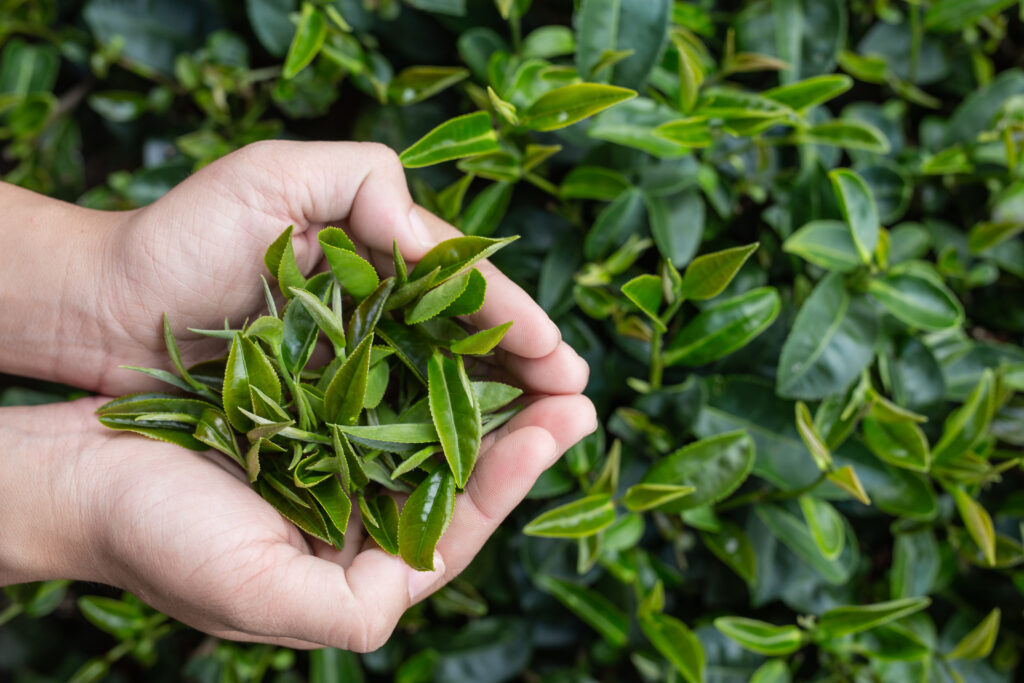
The organic green tea health benefits at a glance comes from the leaves of the Camellia Sinensis plant, but unlike black tea, the leaves are minimally processed and not oxidized. This gentle processing helps preserve a high level of polyphenols, especially catechins such as epigallocatechin-3-gallate (EGCG), which are responsible for many of green tea’s health effects.
Choosing organic green tea means the tea is grown without synthetic pesticides and fertilizers, which helps reduce your exposure to agricultural chemicals and supports soil and ecosystem health. While the polyphenol content can vary depending on growing and processing conditions, high-quality organic teas generally focus on careful cultivation and harvesting, which can help maintain a rich profile of beneficial compounds.

1. A Potent Source of Antioxidants
Antioxidants: One of the most important health benefits of organic green tea is its antioxidant activity. The core of green tea’s health benefits is it is rich in polyphenols, particularly catechins like EGCG, which help neutralize free radicals—unstable molecules that can damage cells and accelerate aging. Organic green tea boosts your immune system and fights off inflammation.
By reducing oxidative stress, these antioxidants may help protect tissues throughout the body, including the cardiovascular system, brain, and skin. Some research also suggests that regular green tea intake can support the body’s natural defense systems and slow some aspects of age-related decline.
Example: Think of free radicals as “sparks” that can damage the structure of your cells over time; the antioxidants in organic green tea act like a built-in fire extinguisher, helping to keep that damage in check.
2. Supports Heart Health and Healthy Cholesterol
Heart disease remains one of the leading causes of death worldwide, and diet plays a major role in risk. Regular green tea consumption has been associated with a lower risk of cardiovascular disease, including heart disease and stroke. Organic green tea for heart health has proven to be beneficial.
Studies indicate that green tea catechins and flavonoids can help:
- Lower LDL (“bad”) cholesterol and total cholesterol
- Improve blood vessel function and support healthy blood flow
- Reduce markers of inflammation that contribute to atherosclerosis
Large population studies in Japan have found that people who drink several cups of green tea daily have a reduced risk of heart-related issues and stroke compared with those who drink none.
3. May Aid Weight Management and Metabolism
Weight management and metabolism is often included in weight management and “fat-burning” supplements for good reason. Research suggests that green tea can increase energy expenditure and modestly boost fat oxidation, especially in people who are heavier in weight or portly. Organic green tea for weight loss is rich in catechins, especially EGCG, and contains moderate caffeine.
This effect seems to come from a combination of moderate caffeine and catechins, which together can:
- Slightly increase metabolic rate
- Enhance the body’s ability to break down stored fat
- Support better blood sugar regulation, which may reduce cravings
While green tea is not a magic solution, incorporating 2–3 cups of unsweetened organic green tea into a balanced diet and active lifestyle can be a supportive tool for maintaining a healthy weight.
4. Brain Function, Focus, and Calm
Organic green tea offers a unique combination of caffeine and L-theanine, an amino acid that affects brain function. This pairing can provide a more stable, focused alertness than caffeine alone.
Research has shown that green tea consumption may:
- Support attention, working memory, and reaction time
- Promote a sense of calm alertness rather than jitteriness
- Potentially protect the brain against age-related cognitive decline
L-theanine can increase alpha brain wave activity, which is associated with a relaxed yet focused mental state, and may help reduce stress and anxiety when consumed regularly.
Emerging research also suggests that long-term green tea consumption could help protect against neurodegenerative conditions such as dementia by reducing oxidative stress and inflammation in brain tissue, although more human studies are needed to confirm these effects.
5. Blood Sugar Balance and Diabetes Support
Type 2 diabetes blood sugar levels may be supported by organic green tea and help reduce the risk. Several studies have found that green tea can improve insulin sensitivity and assist with better glucose control.
Green tea intake has been associated with:
- Lower fasting blood sugar
- Improved HbA1c (a marker of longer-term glucose control) in people with type 2 diabetes
- A reduced risk of developing type 2 diabetes in some populations
These benefits may be tied to the combined effects of catechins, antioxidants, and weight-supportive properties, which together can improve how the body handles carbohydrates.
6. Skin Health, Aging, and Detox Support
Your skin is constantly exposed to environmental stressors, including UV rays and pollution, which generate free radicals and contribute to aging. The antioxidants in organic green tea can help protect skin cells from oxidative stress and may support a more youthful appearance over time.
Research and traditional practices suggest that green tea can:
- Help reduce UV-induced skin damage when consumed regularly
- Support collagen and elastin by limiting oxidative breakdown
- Contribute to a more even skin tone and reduced redness
Green tea’s impact on detoxification is more indirect than many marketing claims suggest. Rather than “flushing toxins” in a dramatic way, green tea’s catechins and antioxidants support liver function, one of the body’s primary detox organs, and help reduce the burden of oxidative stress on cells.
7. Immune System and Gut Health
Your immune system and gut health is supported with organic green tea.The polyphenols in green tea help protect cells from damage and may influence immune signaling pathways.
Because many polyphenols are not fully absorbed in the small intestine, they travel to the large intestine, where they become fuel for beneficial gut bacteria. This prebiotic effect can:
- Promote a more diverse, resilient microbiome
- Improve gut barrier function
- Support a balanced immune response
A healthier gut microbiome is associated with better digestion, mood regulation, and overall immune resilience, making green tea a worthwhile daily addition.

8. Longevity and Overall Wellness
Several observational studies suggest that regular green tea drinkers may live longer, healthier lives. In large population cohorts, higher green tea consumption has been linked to lower all-cause mortality and reduced rates of major chronic diseases, including cardiovascular disease.
While these studies cannot prove direct cause and effect, they support the idea that regularly drinking organic green tea, as part of a balanced lifestyle, can contribute to long-term wellness and healthspan.
9. How Much Organic Green Tea Should You Drink?
How much organic green tea should you drink per day is a questions many people ask. For most healthy adults, 2–4 cups of organic green tea per day is a reasonable and commonly studied range that may deliver benefits without excessive caffeine. A typical cup provides about 20–45 mg of caffeine, depending on the variety and brewing time, which is less than coffee but still stimulatory.
Some tips to maximize benefits:
- Brew at about 70–80°C (not boiling) to preserve delicate antioxidants and avoid bitterness.
- Steep for 2–3 minutes; longer steeping can increase bitterness and caffeine.
- Avoid large amounts late in the evening if you are sensitive to caffeine.
If you are pregnant, breastfeeding, taking medications, or have liver or heart conditions, discuss your green tea intake with a healthcare professional, as high-dose extracts and very large amounts of tea may not be appropriate.
11. Choosing and Enjoying High-Quality Organic Green Tea
To get the most from your organic green tea, look for:
- Certified organic labeling to reduce pesticide exposure
- Whole leaves or high-quality sachets rather than very fine “dust”
- Fresh, vibrant color and a clean, grassy or slightly floral aroma
Whenever possible, store your tea in a cool, dark place in an airtight container to protect its delicate polyphenols from light, heat, and moisture. Brew it plain or with a squeeze of lemon to enhance flavor and potentially improve the absorption of some antioxidants, while avoiding heavy sugar that can counteract some metabolic benefits.
About The Author

My name is Nancy Prokosh, and I founded my tea business in 2001. Over the years, I have pursued extensive education to deepen my understanding of tea and its many dimensions.
I am a certified Tea Master, with expertise in tea tasting and consulting, and I offer specialized tea masterclasses. As a member of the Tea Association of Canada, I am passionate about sharing knowledge on tea, including its history, traditions, and cultural significance.