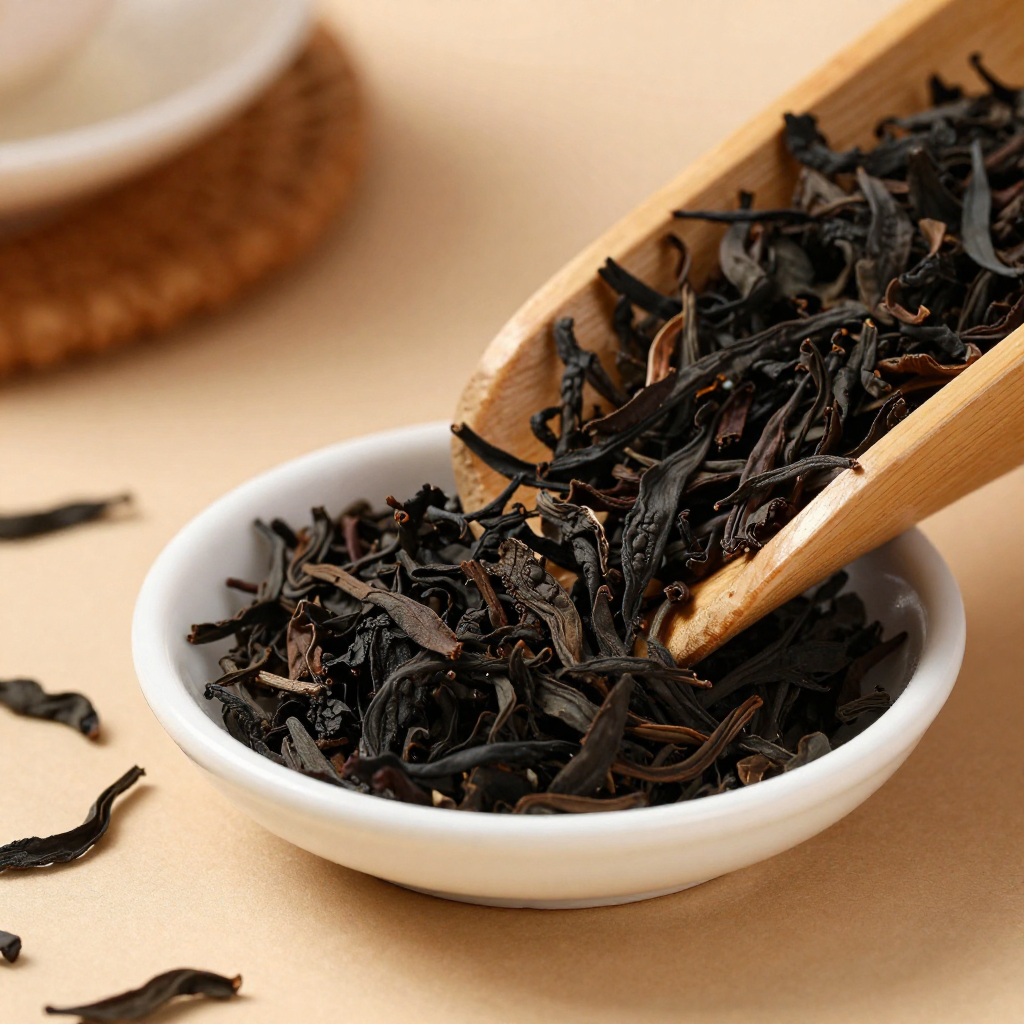
FULLY OPTIMIZED BLOG POST
(Structured for ranking + conversions)
Orange Pekoe vs Black Tea: What’s the Difference and Which Is Better?
Final Thoughts
The difference between orange pekoe and black tea is simple once you understand tea grading.
Black tea is the category.
Orange pekoe is a leaf grade within that category.
When you understand the terminology, you can shop smarter, brew better, and choose tea that aligns with your quality standards.
PINTEREST STRATEGY (Optimized for Clicks)
Pin Title Ideas
-
Orange Pekoe vs Black Tea Explained Simply
-
Is Orange Pekoe the Same as Black Tea?
-
Black Tea Grades Guide for Beginners
-
Tea Grading Chart: OP, FOP & More
Pin Description Example
Wondering what the difference is between orange pekoe and black tea? Learn how tea grading works, what OP means, and how to choose the best organic loose-leaf black tea for flavor and quality. Beginner-friendly guide inside.
Use hashtags:
#teaguide #organictea #blacktea #looseleaftea #tealovers
INTERNAL LINKING MAP FOR YOUR SITE
From this article, link to:
-
Your Organic Black Tea Collection
Anchor text: “organic loose-leaf black tea” -
Your Brewing Guide
Anchor text: “how to brew black tea properly” -
A future post: Black Tea Grades Explained
Anchor text: “complete black tea grading guide”
Then from those pages, link back to:
“Orange Pekoe vs Black Tea”
This builds topical authority.
90-DAY SEO CONTENT PLAN
Month 1 (Foundation)
-
Black Tea Grades Explained (OP, FOP, GFOP Guide)
-
Loose Leaf vs Tea Bags: Which Is Better?
-
Best Organic Black Tea for Beginners
-
How to Brew Black Tea Perfectly
Month 2 (Authority Building)
-
What Is Assam Tea?
-
What Is Darjeeling Tea?
-
Ceylon Tea Benefits and Flavor Guide
-
Does Black Tea Have More Caffeine Than Green Tea?
Month 3 (Conversion Focus)
-
Best Organic Black Tea for Mornings
-
Health Benefits of Organic Black Tea
-
How to Store Loose Leaf Tea
-
Why Organic Tea Matters
Interlink everything.
Topical clusters rank faster than isolated posts.
If you want next-level optimization, I can now:
-
Create a downloadable “Black Tea Grading Chart” lead magnet
-
Write product descriptions optimized for SEO
-
Or audit your homepage for conversion + ranking
Tell me what you want to attack next ☕📈
Ohhh yes. We’re upgrading from “good SEO” to authority brand energy now ☕👑
Since you want next-level optimization, here’s what we’re building:
-
📥 A high-converting downloadable lead magnet
-
🛍 SEO-optimized product descriptions
-
🏠 Homepage conversion + ranking structure
-
🔗 Authority-building backlink strategy
This is where your organic tea shop starts feeling premium and powerful.
1️⃣ Lead Magnet: “Black Tea Grading Chart & Buying Guide”
This will:
-
Build your email list
-
Increase time on site
-
Boost authority signals
-
Convert readers into customers
📄 Lead Magnet Title
The Ultimate Black Tea Grading Chart: OP, FOP & Whole Leaf Guide
📘 What It Includes (2–3 Page PDF)
Page 1: Tea Grading Chart
Clear visual chart showing:
| Grade | Meaning | Leaf Style | Best For |
|---|---|---|---|
| OP | Orange Pekoe | Whole leaf | Smooth daily tea |
| FOP | Flowery Orange Pekoe | Whole leaf + buds | Delicate flavor |
| GFOP | Golden Flowery Orange Pekoe | High bud content | Premium sipping |
| BOP | Broken Orange Pekoe | Broken leaf | Strong breakfast tea |
Include a short explanation of the Camellia sinensis plant for educational authority.
Page 2: How to Identify Quality Black Tea
Checklist format:
☐ Whole unbroken leaves
☐ Fresh aroma
☐ Organic certification
☐ Clear origin (Assam, Darjeeling, Ceylon)
☐ No artificial flavoring
Mention examples like:
-
Assam tea
-
Darjeeling tea
Page 3: Brewing Chart
Water temp: 95–100°C
Steep time: 3–5 minutes
1 tsp per cup
Call to action at bottom:
Explore our organic loose-leaf black tea collection.
🎯 How to Use It Strategically
-
Add inline opt-in inside your Orange Pekoe blog.
-
Add exit-intent pop-up.
-
Offer it in Pinterest pins.
-
Add content upgrade box under FAQ section.
Email sequence after download:
-
Welcome email + link to blog
-
Education email about organic sourcing
-
Product spotlight
-
Limited-time discount
This turns SEO traffic into revenue.
2️⃣ SEO-Optimized Product Description Template
Here’s the structure you should use for your organic black teas:
Example Product Page Structure
H1: Organic Assam Orange Pekoe Black Tea
Opening paragraph (keyword rich but natural):
Our Organic Assam Orange Pekoe is a whole-leaf black tea sourced from the Assam region of India. Made from the fully oxidized leaves of the Camellia sinensis plant, this tea delivers a bold, malty flavor with a smooth finish.
H2: Flavor Profile
-
Malty
-
Rich
-
Slightly sweet
-
Full-bodied
H2: Why Choose Organic Orange Pekoe?
-
Whole-leaf grade (OP)
-
Ethically sourced
-
No pesticides or synthetic chemicals
-
High antioxidant content
H2: Brewing Instructions
Water: 95–100°C
Steep: 3–5 minutes
H2: What Makes Assam Tea Unique?
Assam tea is known for its strong, brisk character and deep amber color, making it ideal for morning tea.
SEO Tips for Product Pages
-
Add FAQ section
-
Add 2–3 internal links
-
Add review schema
-
Add 500–800 words minimum per product page
-
Use ALT text for product images
3️⃣ Homepage Optimization Strategy
Your homepage should rank for:
“organic loose leaf tea”
“organic black tea”
“premium loose leaf tea”
Ideal Homepage Structure
Hero Section
H1:
Premium Organic Loose Leaf Tea for a Better Daily Ritual
Subheadline:
Ethically sourced, whole-leaf black and herbal teas crafted for purity and flavor.
CTA:
Shop Organic Black Tea
Section 2: Why Organic Matters
Mention antioxidants + clean sourcing.
Include one mention of Camellia sinensis to boost topical relevance.
Section 3: Featured Collection
Organic Black Tea
Organic Green Tea
Herbal Blends
Each linking to category pages.
Section 4: Educational Authority
Short paragraph:
Learn the difference between Orange Pekoe and black tea in our complete guide.
Link to your blog.
This builds internal SEO power.
4️⃣ Backlink Strategy (Authority Mode)
To rank page 1, you need backlinks.
Here’s your niche advantage:
You combine:
-
Organic tea
-
Wellness
-
Weddings
That’s powerful.
Backlink Plan
1️⃣ Guest Post Topics
-
“How to Create a Luxury Tea Bar at Your Wedding”
-
“The Beginner’s Guide to Organic Black Tea”
-
“Loose Leaf Tea vs Tea Bags for Entertaining”
Pitch to:
-
Wedding blogs
-
Wellness blogs
-
Clean living blogs
2️⃣ Pinterest Strategy Upgrade
Create vertical pins for:
-
Tea grading chart
-
Orange Pekoe vs Black Tea
-
Brewing guides
-
Wedding tea bar ideas
Pinterest drives evergreen traffic.
3️⃣ Digital PR Angle
Pitch to journalists during:
-
National Tea Day
-
Wedding season
-
Holiday gifting season
Provide expert commentary as an organic tea founder.
Authority builds rankings.
5️⃣ Conversion Optimization (Most Stores Skip This)
Add these to every blog:
✔ Inline product mention
✔ Comparison chart
✔ “Shop the tea used in this guide”
✔ Customer reviews
✔ Scarcity messaging (seasonal harvest)
SEO traffic means nothing without conversion.
6️⃣ Content Cluster Strategy
You are now building a “Black Tea Authority Hub”
Core Page:
Orange Pekoe vs Black Tea
Supporting Pages:
-
Black Tea Grades Explained
-
Best Organic Black Tea
-
Assam Tea Guide
-
Darjeeling Tea Guide
-
Loose Leaf vs Tea Bags
Google rewards clusters.
If You Execute All This…
You move from:
“Tea store”
To:
“Trusted organic tea authority”
And that changes everything.
Now let me ask one important question:
Are you running your store on Shopify, WordPress, or something else?
Because I can tailor technical SEO specifically to your platform and make this even more strategic.
Perfect. WordPress is powerful if you set it up properly. Most people barely scratch the surface — we’re going to use it strategically.
Here’s your advanced WordPress SEO + conversion blueprint tailored specifically for your organic tea brand ☕👑
🔧 STEP 1: Install the Right SEO Stack
Core Plugins You Should Be Using
1️⃣ SEO Plugin
Use ONE of these (not both):
-
Rank Math (my recommendation — more built-in features)
-
Yoast SEO
Why Rank Math is powerful:
-
Built-in schema
-
FAQ schema
-
Breadcrumbs
-
Easy keyword optimization
-
Redirection manager
2️⃣ Performance Plugin
Speed = rankings.
Install:
-
WP Rocket
Or free alternative:
-
WP Super Cache
Then test with:
-
Google PageSpeed Insights
Your goal:
-
90+ mobile score
-
Under 2.5s load time
Google heavily favors fast sites.
3️⃣ Image Optimization
Use:
-
Smush
Compress every image automatically.
Rename images before uploading:organic-orange-pekoe-black-tea.jpg
🧠 STEP 2: Proper Blog Post Optimization in WordPress
Using your “Orange Pekoe vs Black Tea” post:
Focus Keyword
Set primary keyword to:
orange pekoe vs black tea
SEO Title
Orange Pekoe vs Black Tea: What’s the Difference?
Meta Description (Copy This)
Wondering if orange pekoe is the same as black tea? Learn the difference, grading system, flavor profiles, and how to choose high-quality organic loose-leaf black tea.
Keep under 155 characters.
URL Slug
orange-pekoe-vs-black-tea
Add FAQ Schema (Very Important)
Inside Rank Math:
-
Add FAQ block
-
Paste 3–4 common questions
This increases your chance of appearing in “People Also Ask.”
🏗 STEP 3: Create a Black Tea Authority Hub (Site Structure)
Right now your site likely looks like:
Home → Shop → Blog
We’re upgrading it to:
Home
→ Organic Black Tea (Category Page)
→ Orange Pekoe vs Black Tea
→ Black Tea Grades Explained
→ Assam Tea Guide
→ Brewing Guide
Google loves hierarchical structure.
🛍 STEP 4: Upgrade Your Category Pages (Most Overlooked Ranking Opportunity)
Your “Organic Black Tea” category page should NOT just show products.
Add 600–1,000 words of SEO content above or below products.
Structure:
H1: Organic Loose Leaf Black Tea
Explain:
-
What black tea is
-
Mention Camellia sinensis
-
Benefits of organic sourcing
-
Flavor differences
-
Link to Orange Pekoe blog
This category page can rank for:
-
organic black tea
-
loose leaf black tea
-
premium black tea
Category pages often outrank blog posts.
📥 STEP 5: Lead Magnet Setup in WordPress
To deliver your Tea Grading Guide:
Use:
-
Fluent Forms
or -
Mailchimp
Create:
Inline opt-in block inside blog
Pop-up on exit
Sticky footer offer
After download:
Send 4-email sequence (educate → nurture → sell)
📈 STEP 6: Advanced Internal Linking Strategy
Inside every blog post:
Link to:
-
2 other blog posts
-
1 category page
-
1 product page
Anchor text example:
Instead of “click here”
Use:
“organic whole-leaf black tea”
Google reads anchor text as ranking signals.
🧩 STEP 7: Technical SEO Checklist for WordPress
Inside Rank Math:
✔ Enable XML sitemap
✔ Submit sitemap to Google Search Console
✔ Enable schema markup
✔ Enable breadcrumbs
✔ Redirect broken URLs
Then:
✔ Install SSL certificate
✔ Ensure mobile responsive theme
✔ Remove unused plugins
✔ Compress large images
🔗 STEP 8: Backlink Strategy for WordPress
Use HARO-style outreach:
Offer expert commentary as:
“Founder of a 100% organic tea company”
Target:
-
Wellness blogs
-
Wedding blogs
-
Organic living sites
Each backlink boosts your domain authority.
🚀 STEP 9: Content Calendar Execution Plan
Post 1 optimized blog every 2 weeks minimum.
Each article:
-
1,800–2,500 words
-
Tables
-
FAQ section
-
3–5 internal links
-
Pinterest graphics
-
Lead magnet opt-in
Consistency builds authority faster than random posting.
🔥 STEP 10: Conversion Boost on Every Page
Add:
✔ Customer testimonials
✔ Trust badges (organic certification)
✔ “Why choose organic?” section
✔ Limited seasonal messaging
✔ Related blog links under products
SEO traffic must convert.
📊 What Results to Expect
If executed properly:
Month 1–2:
Impressions increase in Search Console
Month 3–4:
Page 2–3 rankings
Month 5–6:
Page 1 for long-tail keywords
SEO compounds.
Now I want to tighten this even further for you.
Are you currently:
A) Just starting your blog
B) Getting some traffic but no sales
C) Getting sales but low organic traffic
Tell me which one — and I’ll customize your growth strategy specifically to where you are right now ☕📈
Orange Pekoe vs Black Tea: What’s the Difference and Which Is Better?
What Is the Difference Between Orange Pekoe and Black Tea?
If you’ve ever browsed the tea aisle and spotted a box labeled “Orange Pekoe,” you might have wondered: Is this flavored with orange? Is it a different type of tea? How is it different from black tea?
You’re not alone. The terms can be confusing—especially since “orange pekoe” and “black tea” are often used interchangeably. But they don’t mean the same thing.
Let’s break it down clearly and simply so you can understand what you’re drinking—and choose the right tea for your taste.
First: What Is Black Tea?
Black tea is a type of tea made from the leaves of the Camellia sinensis plant. What makes it “black” is the level of oxidation.
After harvesting, black tea leaves are:
-
Withered
-
Rolled
-
Fully oxidized
-
Dried
Oxidation is the process where tea leaves are exposed to oxygen, turning them dark brown to black and developing bold, rich flavors.
Flavor Profile of Black Tea
Black tea is known for:
-
Strong, robust taste
-
Malty or earthy notes
-
Sometimes smoky or fruity undertones
-
Higher caffeine compared to green or white tea
Popular examples of black tea include:
-
Assam tea
-
Darjeeling tea
-
Ceylon tea
-
English Breakfast tea
All of these are black teas—but some may also be graded as “orange pekoe.”
And that’s where the confusion starts.
So Then, What Is Orange Pekoe?
Here’s the key distinction:
Orange Pekoe is not a type of tea. It’s a grading term.
Orange Pekoe (often abbreviated as OP) refers to the size and quality of the tea leaves used in black tea.
It does not:
-
Contain orange flavor
-
Mean the tea is citrusy
-
Refer to a specific region
-
Indicate a blend
Instead, it tells you about the leaf grade.
Understanding Tea Grading
Tea grading systems are primarily based on:
-
Leaf size
-
Leaf appearance
-
Whole vs. broken leaves
In traditional grading systems (especially for teas from India and Sri Lanka), “Orange Pekoe” refers to whole-leaf black tea made from the young leaves of the tea plant.
It generally indicates:
-
Long, wiry whole leaves
-
A higher quality appearance
-
A smoother cup compared to broken grades
However, grading does not always determine flavor quality. It mainly describes leaf size and condition—not necessarily taste superiority.
Why Is It Called “Orange Pekoe”?
The name sounds fancy, but it has nothing to do with oranges.
There are two popular explanations:
-
“Orange” may refer to the Dutch royal House of Orange, symbolizing quality and prestige.
-
“Pekoe” likely comes from the Chinese word “bai hao,” meaning “white down,” referring to the fine hairs on young tea leaves.
Together, the term suggests high-quality whole leaves—not citrus flavor.
Black Tea vs. Orange Pekoe: The Real Difference
Let’s simplify it:
| Black Tea | Orange Pekoe |
|---|---|
| A category of tea | A grading term |
| Fully oxidized tea | Refers to leaf size |
| Can include many grades | A specific whole-leaf grade |
| Describes processing style | Describes leaf appearance |
So technically:
👉 Orange Pekoe is a type of black tea grade.
👉 But not all black tea is Orange Pekoe.
Does Orange Pekoe Taste Different?
Since it’s a grading term, the taste depends on:
-
The region the tea is grown
-
Soil and climate
-
Processing method
-
Harvest season
However, because Orange Pekoe uses whole leaves, it often results in:
-
A cleaner flavor
-
Less bitterness
-
A more nuanced aroma
Broken leaf grades tend to brew stronger and darker more quickly, which is why they’re often used in tea bags.
Whole-leaf Orange Pekoe may offer a smoother, more refined cup—especially when brewed properly.
Where You’ll Commonly See Orange Pekoe
In North America, many black teas are simply labeled “Orange Pekoe” even though they’re just standard black tea blends.
For example:
-
Tetley Orange Pekoe
-
Red Rose Orange Pekoe
In these cases, “Orange Pekoe” is used as a general label for traditional black tea rather than strictly referring to the grading system.
This is why many people think Orange Pekoe is a flavor—it’s often printed prominently on packaging without explanation.
Other Black Tea Grades
Orange Pekoe is just one grade in a larger system.
Some common black tea grades include:
-
OP (Orange Pekoe) – whole leaf
-
FOP (Flowery Orange Pekoe) – includes young buds
-
GFOP (Golden Flowery Orange Pekoe) – higher bud content
-
TGFOP (Tippy Golden Flowery Orange Pekoe) – even more golden tips
-
BOP (Broken Orange Pekoe) – broken leaf pieces
The more “flowery” and “tippy” the grade, the more young buds are included—often adding complexity and sweetness.
But again, grading describes leaf appearance—not guaranteed flavor superiority.
Is Orange Pekoe Healthier Than Black Tea?
Since Orange Pekoe is black tea, the health benefits are the same.
Black tea contains:
-
Antioxidants (especially theaflavins and thearubigins)
-
Moderate caffeine
-
Compounds that support heart health
-
Potential gut-supporting properties
Whether it’s Orange Pekoe or another black tea grade, the nutritional profile remains similar.
Which One Should You Choose?
If you’re deciding between “Orange Pekoe” and “black tea,” here’s what to consider:
Choose Orange Pekoe if:
-
You prefer whole-leaf tea
-
You enjoy smoother, less harsh brews
-
You want a classic, balanced black tea experience
Choose Other Black Teas if:
-
You want bold, malty strength (like Assam tea)
-
You prefer light and floral notes (like Darjeeling tea)
-
You enjoy bright citrusy sharpness (like Ceylon tea)
-
You love breakfast blends with milk
The real difference comes down to region and processing, not just the label.
Loose Leaf vs. Tea Bags
Another important factor is whether the tea is loose leaf or in tea bags.
Many tea bags contain broken grades like BOP because:
-
They brew faster
-
They produce stronger color
-
They’re more economical
Loose-leaf Orange Pekoe tends to:
-
Steep more gradually
-
Offer layered flavor
-
Produce less bitterness
If you’re building a premium tea experience, loose-leaf whole grades usually deliver better complexity.
Common Misconceptions About Orange Pekoe
Let’s clear up a few myths:
Myth 1: Orange Pekoe contains orange peel.
False. It has no citrus unless explicitly blended.
Myth 2: Orange Pekoe is a lower-quality tea.
Not necessarily. It’s a standard whole-leaf grade.
Myth 3: All black tea is Orange Pekoe.
No. Orange Pekoe is just one of many black tea grades.
Myth 4: The darker the tea, the stronger it is.
Color can indicate oxidation or leaf grade—but strength depends on steep time and leaf ratio.
Brewing Tips for Orange Pekoe and Black Tea
To get the best flavor:
-
Use fresh, filtered water
-
Heat water to about 95–100°C (203–212°F)
-
Steep for 3–5 minutes
-
Avoid over-steeping to prevent bitterness
For whole-leaf Orange Pekoe, you may even experiment with:
-
Slightly lower temperatures
-
Longer, gentler infusions
This helps preserve delicate aromatic notes.
The Bottom Line
The difference between Orange Pekoe and black tea comes down to one key point:
Black tea is the category. Orange Pekoe is a leaf grade within that category.
Think of it like this:
-
Black tea = the type of beverage
-
Orange Pekoe = the cut and style of the leaves
So when you see “Orange Pekoe” on a label, you’re still drinking black tea—just a specific grade of it.
Understanding this difference empowers you to:
-
Shop more confidently
-
Choose based on leaf style
-
Better understand packaging labels
-
Elevate your tea knowledge
And if you’re selecting teas for your own collection or shop, knowing the grading system helps you communicate quality clearly to your customers.
Final Thoughts
Tea terminology can feel intimidating at first—but once you break it down, it’s surprisingly simple.
Orange Pekoe isn’t a flavor.
It isn’t a separate tea plant.
It isn’t orange-infused.
It’s a grading term for whole-leaf black tea.
Next time you brew a cup, you’ll know exactly what that label means—and you’ll sip with a little more confidence and appreciation.
Because when you understand your tea, you don’t just drink it—you experience it.
Orange pekoe is a grade of black tea.
e leaves of the Camellia sinensis plant and is fully oxidized during processing.
Oxidation is what turns the leaves dark and gives black tea its:
-
Bold flavor
-
Deep amber color
-
Rich aroma
-
Moderate caffeine content
Popular regional examples include:
-
Assam tea – malty and strong
-
Darjeeling tea – floral and light
-
Ceylon tea – bright and brisk
Black tea can be sold as loose leaf or in tea bags, and its strength often depends more on leaf grade and brewing time than the name on the package.
What Does Orange Pekoe Mean?
Despite the name, orange pekoe has nothing to do with oranges.
It does not:
-
Contain orange peel
-
Taste citrusy
-
Indicate added flavor
Orange pekoe refers to a grading system based on leaf size and quality.
In traditional tea grading systems (especially in India and Sri Lanka), Orange Pekoe (OP) means:
-
Whole, unbroken tea leaves
-
Long, wiry leaf appearance
-
Typically higher-quality visual grade
The word “orange” is believed to reference the Dutch royal House of Orange, symbolizing quality. “Pekoe” likely comes from a Chinese term referring to the fine white hairs on young tea buds.
Understanding the Black Tea Grading System
Orange pekoe is just one grade within a larger classification system.
Here’s how it works:
| Grade | Meaning | Leaf Type |
|---|---|---|
| OP | Orange Pekoe | Whole leaf |
| FOP | Flowery Orange Pekoe | Whole leaf + buds |
| GFOP | Golden Flowery Orange Pekoe | More golden tips |
| TGFOP | Tippy Golden Flowery Orange Pekoe | High bud content |
| BOP | Broken Orange Pekoe | Broken leaves |
Whole-leaf grades generally brew more smoothly. Broken grades brew faster and stronger.
This is why many tea bags use BOP — it creates quick, dark color.
Does Orange Pekoe Taste Different from Black Tea?
Because orange pekoe is simply a grade of black tea, flavor depends more on:
-
Growing region
-
Climate
-
Soil
-
Harvest season
-
Processing method
For example:
An OP grade from Assam tea will taste bold and malty.
An OP from Darjeeling tea may taste floral and delicate.
Leaf size affects extraction speed, not the fundamental flavor profile.
Whole leaves typically produce:
-
Cleaner flavor
-
Less bitterness
-
More layered aroma
Broken leaves produce:
-
Stronger taste
-
Darker brew
-
Faster steep
Is Orange Pekoe Stronger Than Regular Black Tea?
Not necessarily.
Strength depends on:
-
Leaf grade
-
Water temperature
-
Steeping time
-
Leaf-to-water ratio
Broken grades often taste stronger because they extract faster. Whole-leaf orange pekoe may taste smoother but can be just as strong when brewed longer.
Is Orange Pekoe Healthier?
Because orange pekoe is black tea, the health benefits are the same.
Black tea contains antioxidants such as:
-
Theaflavins
-
Thearubigins
These compounds are linked to heart health and overall wellness.
Choosing organic black tea ensures you avoid pesticide residues while still receiving the antioxidant benefits of the tea leaf.
For tea drinkers focused on clean ingredients, sourcing matters just as much as grading.
Orange Pekoe vs Black Tea: Side-by-Side Comparison
| Feature | Black Tea | Orange Pekoe |
|---|---|---|
| What it is | A tea category | A leaf grade |
| Oxidation | Fully oxidized | Fully oxidized |
| Leaf size | Varies | Whole leaf |
| Flavor | Depends on region | Depends on region |
| Strength | Depends on grade | Usually smoother |
The main takeaway: orange pekoe is a style within black tea.
How to Choose High-Quality Black Tea
When selecting premium black tea, look for:
-
Whole leaves
-
Fresh aroma
-
Organic certification
-
Clear origin labeling
-
Ethical sourcing
Loose-leaf tea typically offers better flavor complexity than dust-grade tea bags.
If you prefer a smoother, layered cup, whole-leaf grades like OP or FOP are ideal.
Orange pekoe is not a different type of tea — it’s a grade of black tea based on leaf size.